Trouble, Supervisory, or Alarm: What Your Fire Alarm Panel Is Actually Telling You
Three different signals on your panel mean three different things, and only one of them means evacuate.
September 2, 2026 · 4 min read
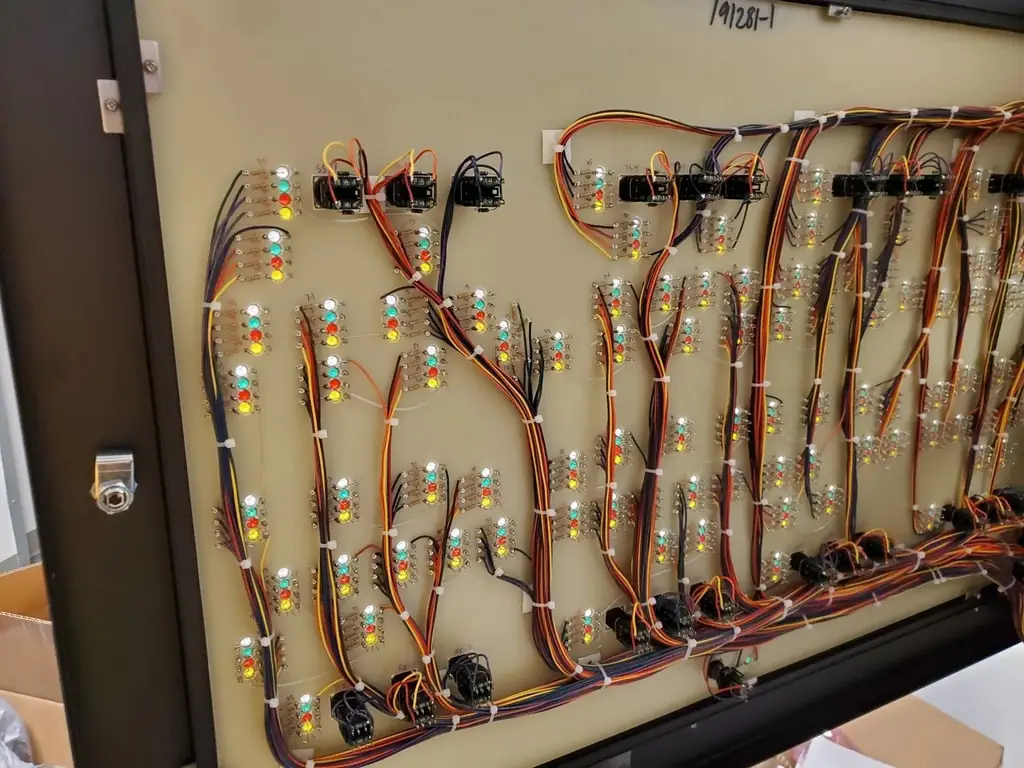
A fire alarm control panel has more than one way of getting your attention, and they do not all mean the same thing. Facilities staff who only know one response, call the alarm company, end up either ignoring something that needed action or treating something routine as an emergency. Here is the difference between the three conditions a commercial panel raises, and a reasonable first step for each.
Trouble
A trouble condition means the system has detected a problem with itself, not with a fire. A break in wiring, a device that has stopped communicating, a failing battery, a ground fault, all of these register as trouble, usually with a distinct tone and an amber indicator rather than red. The system is telling you it may not be able to do its job correctly, not that there is a fire. The right first move is to note the zone or device shown on the panel, silence the trouble tone if your panel allows it, and get your fire alarm service provider on the phone. A trouble condition left unresolved is how a system quietly stops protecting a building without anyone noticing, until it matters.
Supervisory
A supervisory condition sits between trouble and alarm. It means a monitored device tied to your fire protection system, not the alarm system itself, has changed state in a way that affects the system's readiness. The most common example is a sprinkler control valve that has been closed, whether intentionally for maintenance or by mistake. Other supervisory points include low air pressure on a dry system or a low water level on a fire pump's supply tank. A supervisory signal is not an emergency, but it means part of your fire protection is not currently in service, and it deserves the same urgency as a trouble condition, find out why, and get it corrected or documented.
Alarm
An alarm condition means a device, a smoke detector, heat detector, pull station, or a waterflow switch on a sprinkler system, has actually activated. This is the signal that should trigger your building's emergency response plan: notification, evacuation procedures, and a call to the fire department if that has not already happened automatically through your monitoring service. It is worth knowing that a waterflow alarm specifically means water is moving through your sprinkler piping, which on a properly functioning system almost always means a head has opened because of heat, not because of a false trip. Treat it as real until proven otherwise.
Why the panel labels these differently at all
The distinction exists because a facilities manager needs to react differently to each one, and a system that used one signal for everything would either train people to ignore real alarms or send everyone outside every time a battery got old. Reading your own panel, knowing where the trouble and supervisory history logs are, and what your specific zone numbers correspond to in your building, is one of the more useful five minutes a facilities manager can spend with their alarm technician.
Continuous alarm monitoring adds a layer most facilities managers never think about until they need it. Every trouble, supervisory, and alarm signal your panel raises can be sent automatically to a monitoring service that watches the building around the clock and notifies the right people, including the fire department, whether or not anyone on site is looking at the panel at that moment. Without monitoring, a panel condition that happens at 2 a.m. on a Saturday just sits there until someone walks by on Monday.
Tamper switches are a supervisory point worth knowing by name specifically, because they are the ones most likely to trip during ordinary building maintenance. A tamper switch monitors a control valve's position, and it raises a supervisory signal the moment that valve is moved off its normal open position, whether that is a technician doing legitimate work or someone who closed a valve and forgot to reopen it. Treating every tamper signal as routine noise is exactly how a system ends up shut off for months without anyone noticing.
- Trouble: a problem with the system itself. Note the zone and call your service provider.
- Supervisory: a monitored condition has changed, often a closed valve. Investigate and correct it.
- Alarm: a device has activated. Follow your evacuation plan and confirm dispatch.
Automatic Sprinkler of Texas installs, inspects, and services commercial fire alarm systems as one part of a complete fire protection package, alongside sprinklers, extinguishers, emergency lighting, and continuous alarm monitoring. If your panel is telling you something and you are not sure which of these three it means, call us at (972) 298-2772. We would rather answer that question over the phone than have it get ignored.
Automatic Sprinkler of Texas, Inc — (972) 298-2772
Call (972) 298-2772More articles
What Actually Happens During a Commercial Fire Sprinkler Inspection
A facilities manager's guide to what a technician does during a scheduled sprinkler inspection, and why the tag on the riser matters.
Wet, Dry, Pre-Action and Deluge: Why Your Building's Use Decides the System
Four different ways to get water onto a fire, each one solving a different problem your building already has.