What NICET Certification Actually Means When You Are Choosing a Fire Protection Contractor
A license number tells you a company can legally do the work. NICET levels tell you who is actually qualified to design it.
September 2, 2026 · 4 min read
Every fire protection contractor you call is going to tell you they are licensed. In Texas, and in most states, that is a baseline requirement to operate at all, not a distinguishing feature. If licensing is where your evaluation stops, you are missing the part of the conversation that actually separates contractors: who on their team is NICET certified, and at what level.
What NICET actually certifies
NICET, the National Institute for Certification in Engineering Technologies, certifies individuals, not companies, in specific technical disciplines within fire protection: water-based systems layout (sprinkler design), inspection and testing of water-based systems, fire alarm systems, and special hazards, among others. Certification is earned through a combination of documented work experience and examinations, and it is structured in levels, from Level I through Level IV, with each level representing a deeper degree of technical responsibility and independent judgment.
Why the level matters more than the letters
A Level I or II certification generally reflects someone capable of working under supervision on defined tasks, useful and legitimate, but not the same thing as someone qualified to make independent design decisions on a complex system. Level III and Level IV certification, particularly in water-based systems layout, represents the ability to take a building's occupancy, hazard classification, and hydraulic requirements and translate that into a code-compliant system design from scratch, including the calculations that prove it will actually perform. When you are told a company has an in-house design department, the honest follow-up question is which level of NICET certification actually sits behind that design work.
What to ask besides the license number
- What NICET level, and in what discipline, does the person actually designing my system hold
- Is inspection and testing done by someone separately certified for that specific work, not just the installer revisiting their own job
- How long has the company operated in this state, and can they show a documented project history, not just references
- Are they qualified to work under contractor safety programs like Avetta or ISNetworld, which matters if your facility is part of a larger organization with its own vendor safety requirements
- What happens after installation, is there a warranty, and who do you call when something needs service
That last point is easy to overlook and expensive to discover the hard way. A company that installs a system and effectively disappears leaves you without recourse the first time something needs adjustment or a device fails inspection. A warranty on new installations, and a company that is still answering its own phone five years later, is worth more than a slightly lower bid.
Named engineers, not a logo
On our own team, that design responsibility sits with certified individuals whose credentials are a matter of record, not a marketing claim. David Welcher holds NICET Level IV in water-based systems layout, alongside Level III certifications in inspection and testing and in special hazards. Rob Oldfather and Jim Yarish hold Level III in water-based systems layout, and Roy Truly holds Level III in inspection and testing of water-based systems. Those are the people whose calculations are actually behind a job, not just a company logo on a proposal.
Texas also requires a Responsible Managing Employee on staff for sprinkler, alarm, and inspection licensure, someone whose own credentials the state licenses the company's work under. It is a narrower, state-specific version of the same idea NICET represents nationally: a real, named, accountable person standing behind the technical work, not just a corporate registration.
Membership in trade associations is a smaller signal but a real one. We hold membership in the National Fire Protection Association, the Texas Fire Sprinkler Contractors Association, the National Fire Sprinkler Association, and the Automatic Fire Alarm Association, among others, organizations that expect member companies to stay current with code changes and industry standards as a condition of belonging, not just at renewal time.
Where this business stands on those questions
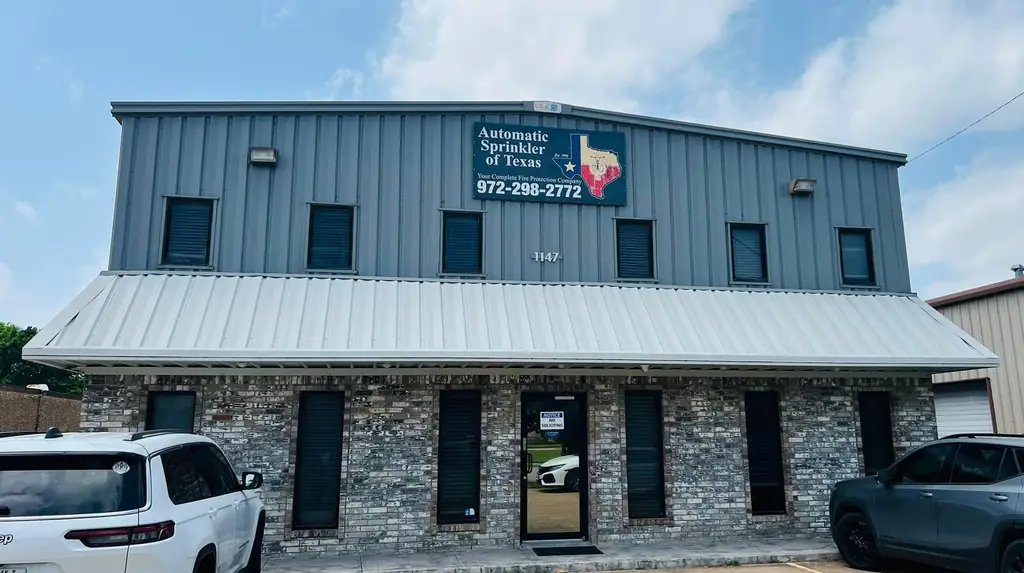
Automatic Sprinkler of Texas has operated out of one building in Duncanville since 1995, and our design department is NICET-certified up through Level IV in water-based systems layout, with additional Level III certifications in inspection and testing, special hazards, and fire alarm systems across our team. We are employee-owned, a member of the ESOP Association and the National Center for Employee Ownership, which means the people doing this work have an ownership stake in getting it right, not just a paycheck for getting it done. We are licensed to operate in fourteen states, Avetta- and ISNetworld-approved for national account safety programs, and we back new installations with a one-year warranty.
If you are evaluating fire protection contractors for a project, ask for the NICET level behind the design, not just the company name on the license. It is the single best predictor of whether the system you get matches the building you actually have.
Automatic Sprinkler of Texas, Inc — (972) 298-2772
Call (972) 298-2772More articles
What Actually Happens During a Commercial Fire Sprinkler Inspection
A facilities manager's guide to what a technician does during a scheduled sprinkler inspection, and why the tag on the riser matters.
Wet, Dry, Pre-Action and Deluge: Why Your Building's Use Decides the System
Four different ways to get water onto a fire, each one solving a different problem your building already has.